
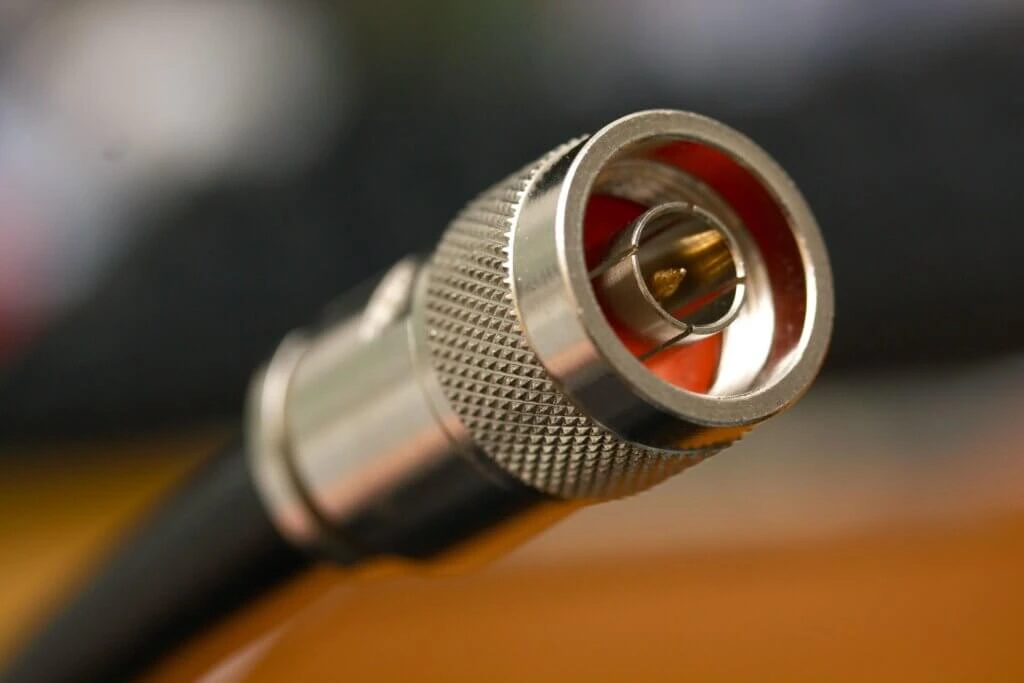
Electronic sensors serve to convert the measured physical quantity describing the phenomenon you are monitoring into an electrical signal. However, this must meet certain requirements so that it can be converted through the measuring device into digital form and finally served to your computer. For this reason, there are standards that manufacturers adhere to, guaranteeing compatibility across the industry and allowing the use of a plethora of sensors with Automatic Sensing measuring stations.
Electrical Interfaces
The basic division of sensor electrical interfaces is into analog (continuous signal) and digital (discrete signal). Whichever variant you choose, the signal is ultimately digitized in both cases. In the case of a digital interface, this happens directly in the sensor, and for an analog sensor, only in the measuring station.
Analog
Current loop 4-20mA is chosen as the primary analog interface. It is robust and works seamlessly even in environments with high levels of interference. Moreover, thanks to the offset of the 'zero' value, it is possible to easily diagnose a cable break, which corresponds to a current of 0mA.
Analog voltage 0-2V (10V) and its measurement is problematic because with longer supply cables, there is a non-negligible voltage drop due to internal resistance and thus the introduction of a measurement deviation. At the same time, signal interference due to electromagnetic induction may occur due to the high impedance of the circuit.
Digital
RS-485 could be considered the king of its category for several reasons. Most impressive is the ability to operate this interface with cabling up to 1200 m long. Also advantageous is the possibility to use the interface as a bus and connect up to 32 devices sharing a common cable harness and only one measuring station.
RS-232 supports mutual serial communication between two devices. It is a very widespread interface in various electronics. Third-party offline data loggers often communicate via this interface, and in that case, it is possible to use the Automatic Sensing Data Relay station, which allows forwarding measured data to the internet. It should be borne in mind that RS-232 can only be used up to 20m of connecting cable length, which can be limiting in some applications.
SDI-12 is a less common type of interface that was developed in the late 80s in the USA. Perhaps the main difference is that compared to other digital interfaces, SDI-12 requires one less wire for its operation. This could potentially lead to a lower price of sensors due to a lower surcharge for multi-core supply cable, but in practice this is not the case. Due to less hardware support for SDI-12 and negligible benefits, we would not recommend its use.